

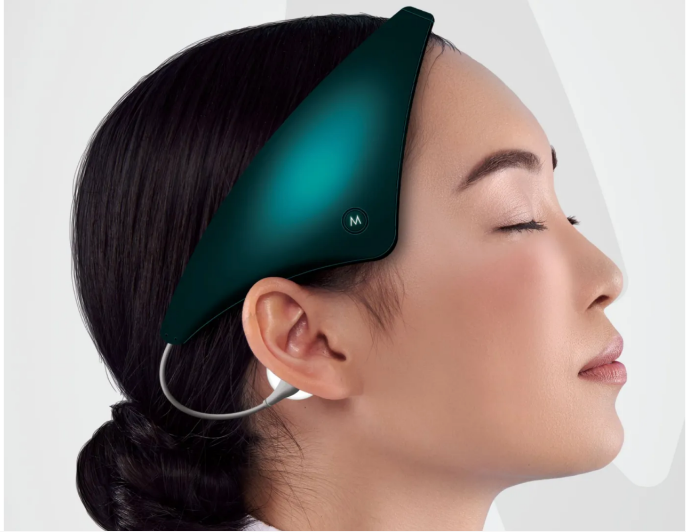
A 2019 regulatory update from the U.S. medical devices authority aimed at fostering innovation in treatments for insomnia and anxiety is showing results. Neurovalens, a startup from Belfast that has spent over a decade developing noninvasive brain and nervous system stimulation technologies, has just received FDA approval for its second head-mounted treatment device.
Neurovalens now has two FDA-approved devices for U.S. prescription: one for generalized anxiety disorder (GAD), which was approved last week, and another for insomnia, which received clearance last October. The company is also working on additional products, including a device aimed at reducing obesity-related cardiometabolic risks by influencing brain signals involved in fat storage.
CEO Dr. Jason McKeown shared with TechCrunch that Neurovalens is seeking an FDA “de novo” classification for a third device targeting obesity, expected either later this year or early next year, and is also developing a product for PTSD.
Traditional healthcare often struggles with conditions like chronic pain, depression, and anxiety due to limited resources, prompting startups to explore neurostimulation as a potential solution. Noninvasive treatments offer a promising alternative to pharmaceutical options, which can have significant side effects. While the field of neurostimulation is still emerging, its potential for transformation is considerable.
Neurovalens has chosen to focus on developing and selling FDA-cleared medical devices for specific conditions, requiring clinical trials to demonstrate effectiveness, rather than marketing general wellness devices. This approach sets them apart, as McKeown explains that consumer devices lack the ability to make medical claims.
In 2019, the FDA revised its regulations to support innovations in treating insomnia and anxiety with neurotechnology, which allowed Neurovalens to pursue a 510(k) application for its devices. This process involved conducting clinical trials to meet FDA requirements, making Neurovalens the first company to receive approval in this category.
While European consumers can purchase Neurovalens devices directly due to different regulations, the company is also applying for medical device approvals in the U.K. and EU, with expectations to gain approval for its insomnia device later this year.
Neurovalens’ devices use head-mounted technology to deliver electrical neurostimulation to the skin behind the ear, targeting the vestibular nerve to influence brain areas involved in metabolic control, stress response, and circadian regulation. This approach aims to re-regulate the brain’s control centers, with lasting effects that may reduce the need for ongoing treatment.
Unlike other neurostimulation methods such as transcranial direct current stimulation (TDCS) or magnetic stimulation, Neurovalens focuses on precise stimulation of the vestibular nerve. McKeown argues that this method is more specific and effective in reaching deeper brain areas.
Neurovalens is the first company to focus on noninvasive direct vestibular nerve stimulation and stands out in the field. On Monday, the company announced a £2.1 million ($2.65 million) extension to its Series A funding round, with plans to raise an additional $40 million in a Series B round by the end of the year. To date, Neurovalens has secured £23.1 million in equity funding from various U.K.-based investors.
